7 million for testing new anti-malaria drug in pregnant women
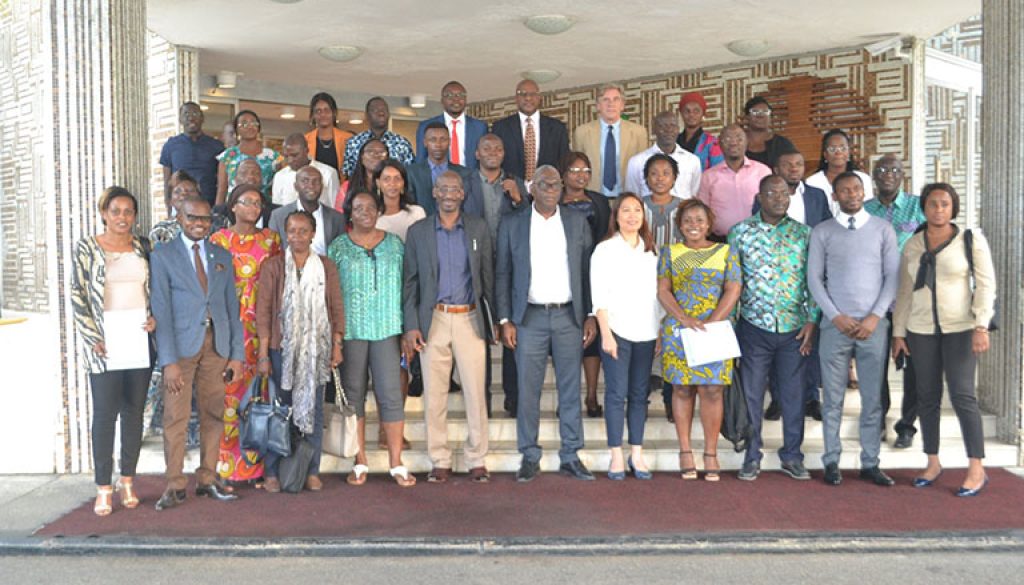
In five African countries, a large study of a new malaria drug will soon start among pregnant women. EUR 7 million has been made available for this by the European Developing Countries Clinical Trials Partnership (EDCTP). The money will go to a consortium (led by Professor Kassoum Kayentao, Mali) in which parasitologists from Amsterdam UMC work side by side with various African and European partners.
More than 200 million people contract malaria every year: they become infected through the bite of a female mosquito that carries the malaria parasite. Especially young children and pregnant women become seriously ill. According to the most recent figures from the World Health Organization, more than 600,000 people die of malaria every year worldwide. And that while you can treat the disease well. “Unfortunately, resistance to current medicines is becoming more and more frequent,†says parasitologist Henk Schallig, whose colleague Petra Mens has just left for the Gambia to prepare for the extensive study. “We are therefore looking for new anti-malarial drugs.â€
Why are you going to do research on pregnant women?
“The new product that the consortium is going to test is already registered for use, but not for pregnant women. While they are often victims of the disease. Previously, we and others have shown that this drug is safe and effective in adults and children. Now we want to know whether this also applies to the pregnant woman and her unborn child.
We will take measurements to tell us how the parasite disappears from the body after treatment. For that you need super sensitive equipment. The parasite hides in the placenta in pregnant women. There it blocks the blood vessels. In the pregnant woman, this leads to severe anaemia and complications after childbirth. And because the supply to the placenta also stagnates, there is a growth retardation in the fetus.â€
How do you conduct this type of research?
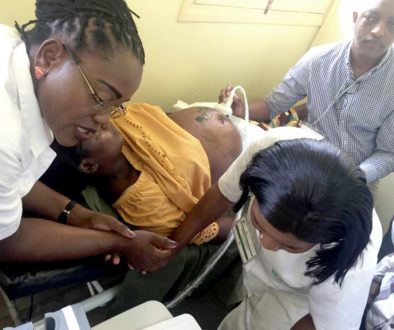
“After delivery, the placenta is examined. You can do this in two ways: by looking for the parasite itself or for pigment of the parasite that has accumulated during pregnancy. It shows how active the malaria parasite was.
We also look at the weight of the child shortly after birth and in the first year of life. How does the baby develop? The study lasts a total of five years. We consciously do this in 5 African countries: Mali, Burkina Faso, the Democratic Republic of Congo, Gambia and Mozambique. That way we get a good cross-section of the most important malaria areas in Africa.